After a three day visit to Spartanburg by Negro Leagues researcher and classic stadiums and baseball museum consultant Dr. Layton Revel from Carrollton, Texas, the Friends of Duncan Park have expressed a renewed sense of optimism about the future of the old ballpark.
Dr. Layton Revel Comes to Spartanburg
Dr. Edwin C. Epps•October 19, 2026•7 min read•2 views
After a three day visit to Spartanburg by Negro Leagues researcher and classic stadiums and baseball museum consultant Dr. Layton Revel from Carrollton, Texas, the Friends of Duncan Park have expressed a renewed sense of optimism about the future of the old ballpark.
Share:
Dr. Layton Revel Comes to Spartanburg and Stimulates Plans for the Future of Duncan Park Stadium
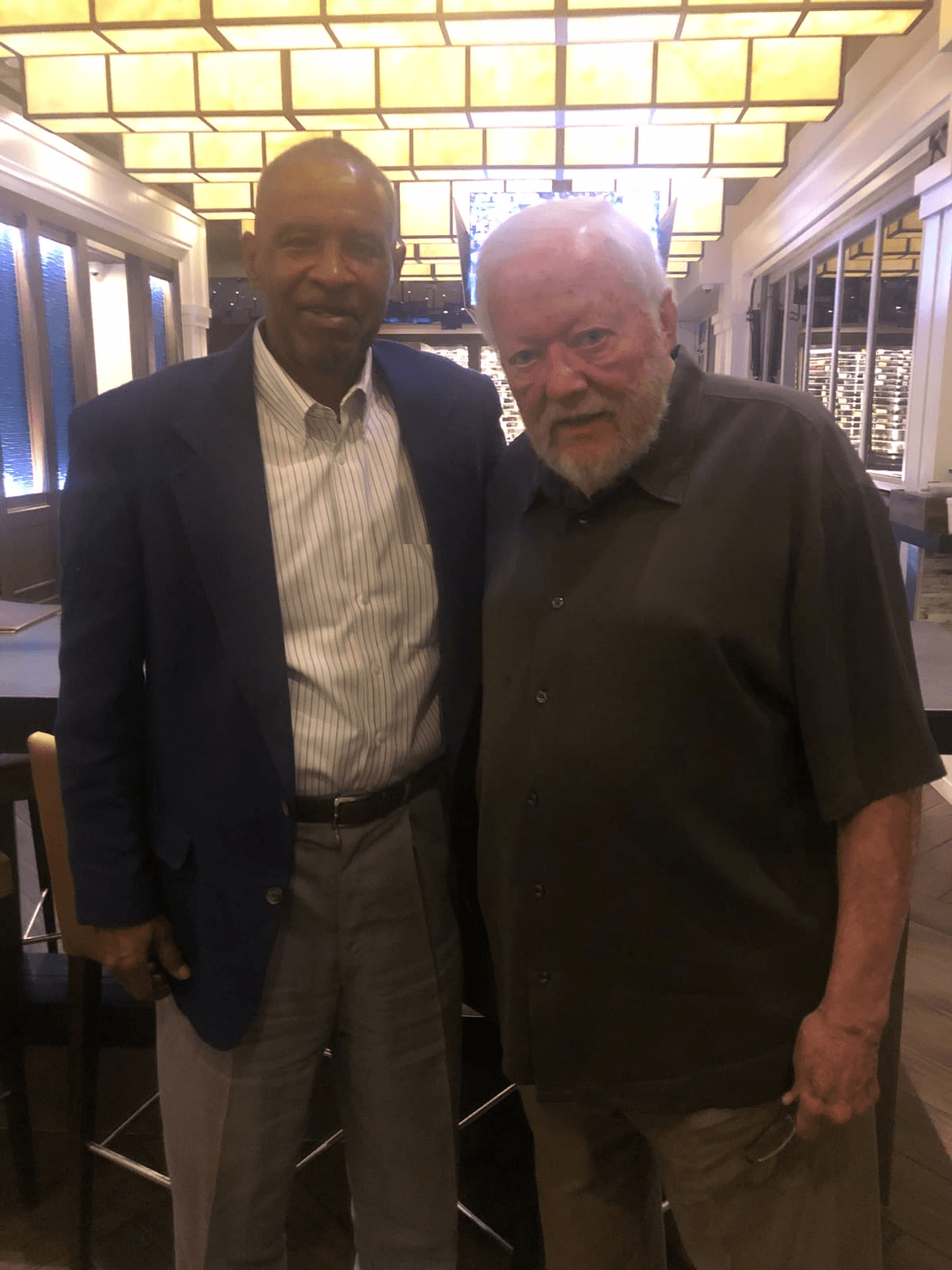
After a three day visit to Spartanburg by Negro Leagues researcher and classic stadiums and baseball museum consultant Dr. Layton Revel from Carrollton, Texas, the Friends of Duncan Park have expressed a renewed sense of optimism about the future of the old ballpark. Luther Norman (left) and Dr. Layton Revel (right) during the doctor’s visit to the Hub City near the end of September.
Nationally recognized as the Founder of both the Center for Negro League Baseball Research and the Negro Southern League Museum in Birmingham, Dr. Revel was influential in Major League Baseball’s decision to award retirement pensions to former Negro League ballplayers, and he has also been instrumental in the work to preserve and renovate Rickwood Field, the oldest professional ballpark in the country. His work for Rickwood has been followed by additional consultations for multiple historic ballparks in Texas and Tennessee, and his skill as a researcher has led to innumerable monographs on Negro League ball and ballplayers.
Friends of Duncan Park stalwart Luther Norman, the Director of the Youth Sports Bureau and himself a former ballplayer and friend of former players, has known Dr. Revel for some thirty years through their common interest in and knowledge of Negro League baseball, and I myself have known him and his work for more than a dozen years through my research into the history of Duncan Park Stadium. As the Friends of Duncan Park began to plan a celebration for the 2026 centennial of the ballfield and for its longterm future after the arrival of the Hub City Spartanburgers in our city in 2025, Luther and I suggested that Dr. Revel’s knowledge of and experience with old stadiums would be invaluable to us as well as a timesaver and a guide to others who might help us in our efforts.
The Friends first talked with Dr. Revel in a couple of conference calls, followed by a ZOOM meeting with some of the local organizations that comprise the Friends. We discussed Layton’s coming to Spartanburg in a couple of subsequent meetings, including how we might fund such a visit, and then placed another call to Texas. The doctor had wanted to come to Spartanburg to see Duncan Park for some time already, and he graciously agreed to waive any consulting fee if we would pay for his airplane ticket and his lodging during his visit. Dr. Layton Revel during his first visit to Duncan Park Stadium during September 2026. Also shown, left to right, are Luther Norman, Donnie Love from McMillan Pazdan Smith Architecture, Scott Page from the City of Spartanburg, and on the lower step John Faris from the Friends of Duncan Park.
After some delay caused by unforeseen and unavoidable circumstances, dates were set for the visit, and travel and lodging arrangements were made. Dr. Revel drafted a set of preliminary details and considerations for discussion that he regarded as essential for his advisory role, and John Faris developed a series of essential topics that were key to the Friends’ development of both short term and long term plans for the future. I also sent him a copy of Duncan Park: Stories of a Classic American Ballpark!
The committee which met with Dr. Revel over the course of the two main days of his stay with us included Kim Brown, the Director of Parks, Recreation, and Special Events for the City of Spartanburg; Scott Page, the City’s Park Operations Manager; Daniel Halliman, the City’s Superintendent of Operations; Dr. Eric Levitt, Chief Administrative and Operations Officer of Spartanburg County School District Seven; Luke Feisal, Assistant General Manager of the Hub City Spartanburgers; Brad Steinecke, Assistant Director of Local History at Spartanburg County Public Libraries; Luther Norman, Director of the Youth Sports Bureau; Donnie Love, Principal and Architect at McMillan Pazdan Smith Architecture; John Faris, Spartanburg businessman and Director of the Friends of Duncan Park; and Dr. Ed Epps, retired educator and freelance writer/researcher.
Because Donnie Love would be out of town on Thursday, Dr. Revel began his advisory duties with an introductory tour and orientation on the afternoon of his arrival on Wednesday. Donnie is an historical architecture specialist at McMillan Pazdan Smith and prepared the successful National Park Service application for Duncan Park Stadium’s listing on the National Register of Historic Places; he has also served as an informal advisor to the Friends of Duncan Park and from time to time has drafted potential architectural and landscaping sketches for the stadium. It was essential that Donnie and Layton Revel have an opportunity to meet each other and to share their individual knowledge, experience, and observations.
Architect Donnie Love discusses the condition of the grandstand and the work done on it after the partnership between the City and District Seven was formed. Also pictured are Dr. Epps, Dr. Revel, Scott Page, and Luther Norman
The next day Dr. Revel met in the morning at Duncan Park with Kim Brown and Scott Page from the City of Spartanburg. Later he also had an opportunity to meet Brad Steinecke at the Kennedy Room of the Spartanburg County Public Library and to view the Library’s unique hand painted Spartanburg Sluggers poster from the 1950s as well as some of the Kennedy Room’s files related to Duncan Park. The day concluded with the two hour committee session in the conference room of Fifth Third Park which was the primary reason for Dr. Revel’s visit to the Hub City.
Dr. Revel prepares to take a photo of the Spartanburg Sluggers poster, donated by Luther Norman, restored, and now archived by the Spartanburg County Public Library. Luther is the son-in-law of “Little Newt” Whitmire, former owner of the Sluggers and a prominent businessman in the old Black business district on Short Wofford Street and nearby in downtown Spartanburg.
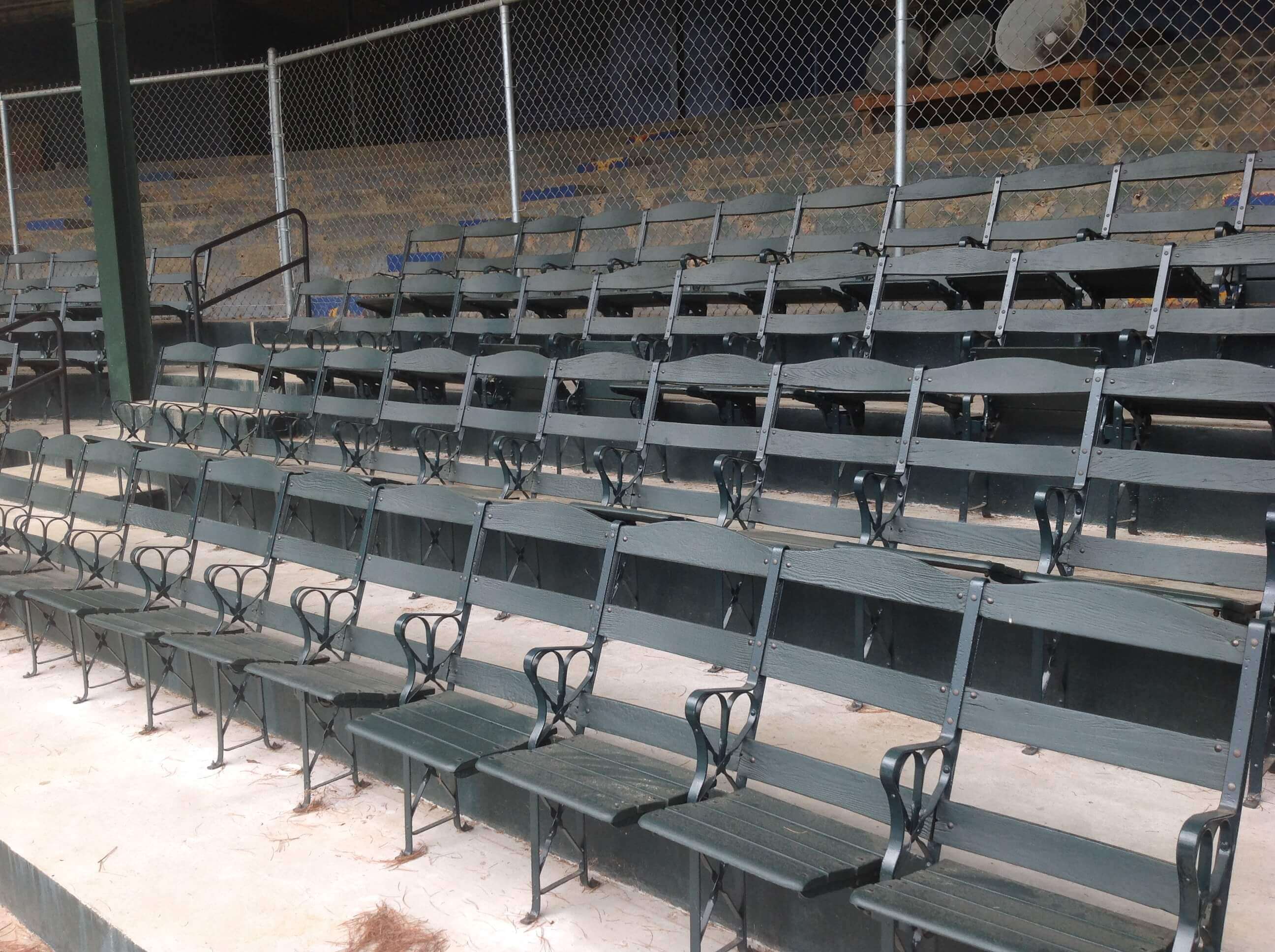
The discussion at the Spartanburgers stadium was open, friendly, comprehensive, and instructive for all of us. The details were more complicated and specific than there is room for here, but recommendations to the group included the need for a prioritized listing of current and future needs. Among the most immediate suggestions were the cleaning, scraping and sanding, and repainting of the grandstand and seating areas. Dr. Revel’s observation was that appeals to potential donors and grant applications depended upon an attractive structure worthy of preservation and improvements. It has been some time since the stadium was painted, and the structure is now shabby and in need of a fresh coat of paint. Accomplishing this project would demonstrate both that the facility is worthy of preservation and that the Friends is capable of doing the necessary work. Restoration work on the grandstand in the early 2000s stabilized the superstructure, including girders, beams, columns, and roof. Rust was removed and the stadium was painted. No regular schedule of scraping, sanding, and repainting was established, however, and the wooden benches, concrete seating area, and concourse walls now need restoration and/or repainting.
Another part of Duncan Park Stadium that needs restoration and refreshing is the old “Colored” ticket booth next to the sidewalk at the upper pull-off from Park Drive. This small concrete block construction is an important element tied to the history of the stadium during the Jim Crow era, the tenure of the Negro League Spartanburg Sluggers at the ballpark, the ownership of the team by leading Black businessman “Little Newt” Whitmire, and the connections between the various neighboring communities on the old Southside of Spartanburg.
Additional immediate needs include replacement of the current bathroom installation with a new and more attractive complex. This work is currently underway: School District Seven has contracted with a North Carolina firm to have a new facility built, and this part of the work has been completed. The School District is now waiting on the approval of the necessary state permits required for transportation of the new structure and fixtures to Spartanburg.
This small building inside the lower entrance was recently repainted as part of the freshening up for the centennial celebration. Potential new uses for this structure, which is in reasonably good condition, would require only minor modification.
Plans are in the works too to find new uses for the small wooden building just inside the lower entrance gate. This little annex was erected during the short-lived tenure of Spartanburg’s original Spartanburgers, the collegiate wooden bat team in the Coastal Plain League. These Spartanburgers were scheduled to begin play in 2020, but like everything else that year this intention was short-circuited by COVID. The ‘Burgers did play in 2021, but then they were gone. While they were still here, though, the team used the little corner store-like structure as a sort of combination ticket booth/office/merch shop. While no decisions have been made yet about the future utilization of this place, to remove it would be a costly expense and it is almost directly in the path of fans as they enter the stadium, so it would make logical sense to convert it into a merchandise store/ticket booth or something similar. A portion of it might also be used as display space for cases of historical memorabilia.
One evidence of the difficulties of ongoing maintenance at and near the stadium can be seen on the hillside beside the parking lot. The gullies in the two areas pictured here were filled in and mulched by the apprentices of the Youth Sports Bureau just prior to the centennial date of July 11th, but they have since then washed again. The City of Spartanburg and Spartanburg Community College also helped with this project. Coordinating efforts and planning for tasks like this one require cooperation of a kind that Spartanburg community groups and agencies have become used to and experienced in over the years.
The Friends of Duncan Park’s decision to sponsor Dr. Revel’s visit to Spartanburg resulted in many ideas about the future of the ballpark and a renewed commitment to both the preservation of the stadium and the search for new ways to use it as an important resource for the City and its citizens.
The next blog post here will explore some of the creative suggestions for the utilization of Duncan Park Stadium that emerged during last month’s meetings. The Friends of Duncan Park look forward to additional meetings with Dr. Revel, perhaps even at venerable Rickwood Field to review its pioneering history of innovation and renewal.
Readers who would like to contribute to the enduring legacy of Duncan Park may do so by donating to the Friends account at the Spartanburg County Foundation: Friends of Duncan Park Fund, c/o Karen Nichols, Spartanburg County Foundation, 424 East Kennedy Street, Spartanburg, SC 29302; (864) 582-0138. The Friends of Duncan Park meets on the fourth Thursday of the month at 5:30 PM at the C. C. Woodson Community Center, 210 Bomar Avenue, Spartanburg 29306. The web site of the group can be found at https://duncanparksc.org/, where a link to subscribe to the free Friends newsletter can also be found. To contribute online, you may also use this QR code:
Dr. Edwin C. Epps
Author
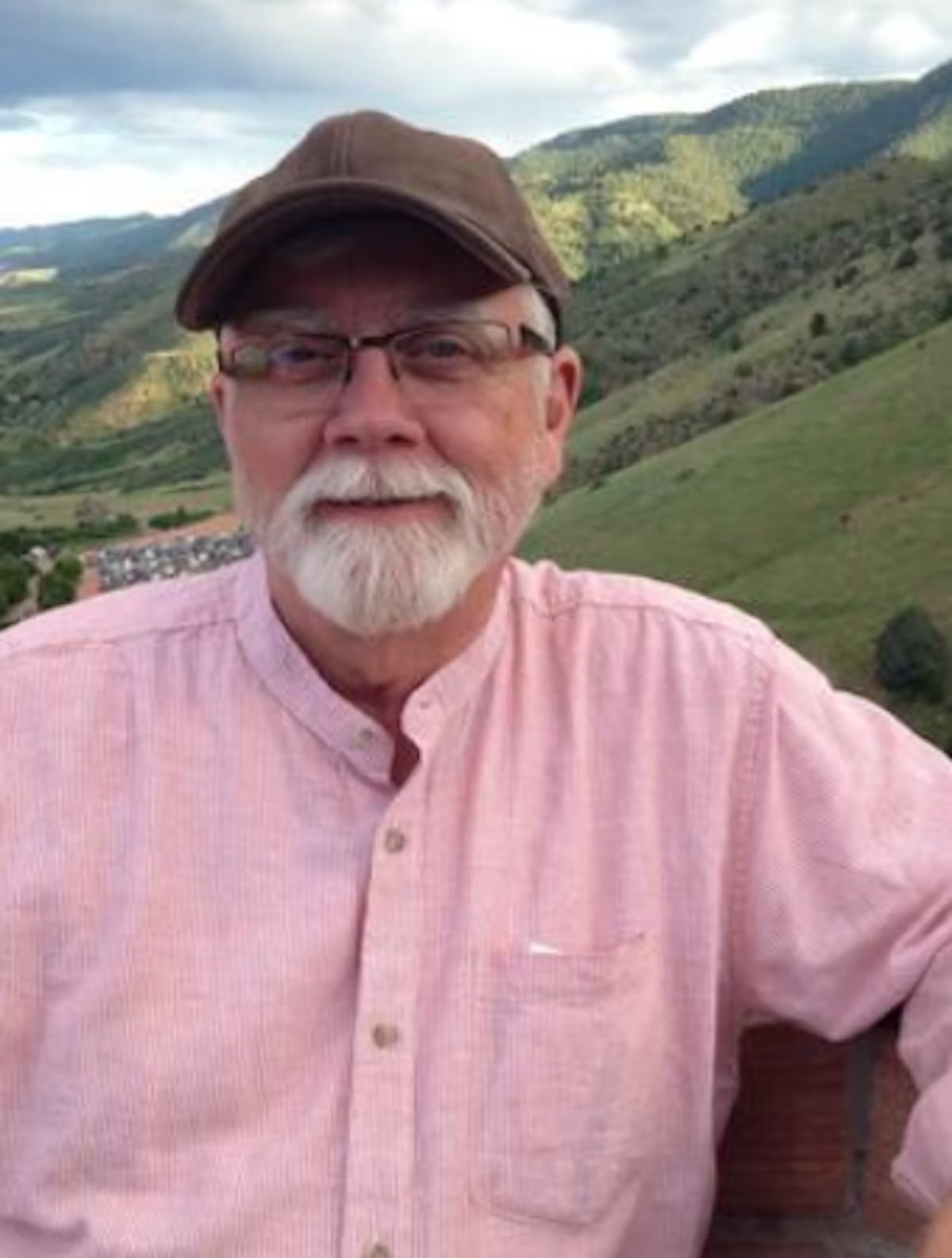
Dr. Edwin C. Epps is a retired educator with more than forty years' experience in public school classrooms... He is the author of Literary South Carolina (Hub City Press, 2004) and a proud member of Phi Beta Kappa who believes in the value of the humanities in a rapidly changing world.
As I sit writing this after being out with my new dog in temps in the lower 90s, I am pausing not only to enjoy some cool, fresh water but also to look back, examine the present, and hope for the future of Duncan Park Stadium.
The day will begin at 9:00 AM with a Major League Baseball Play Ball clinic for area youth. An official commemoration of the Centennial will follow the clinic at 11:00 AM. Finally, to conclude the day the Spartanburg Peaches and the Greenwood Flying Monkeys of the summer collegiate wooden bat Blue Ridge League will play a regular season game at 1:00 PM.