Dr. Revel, Like Elvis, Has Left the Building: Now What?
Dr. Edwin C. Epps
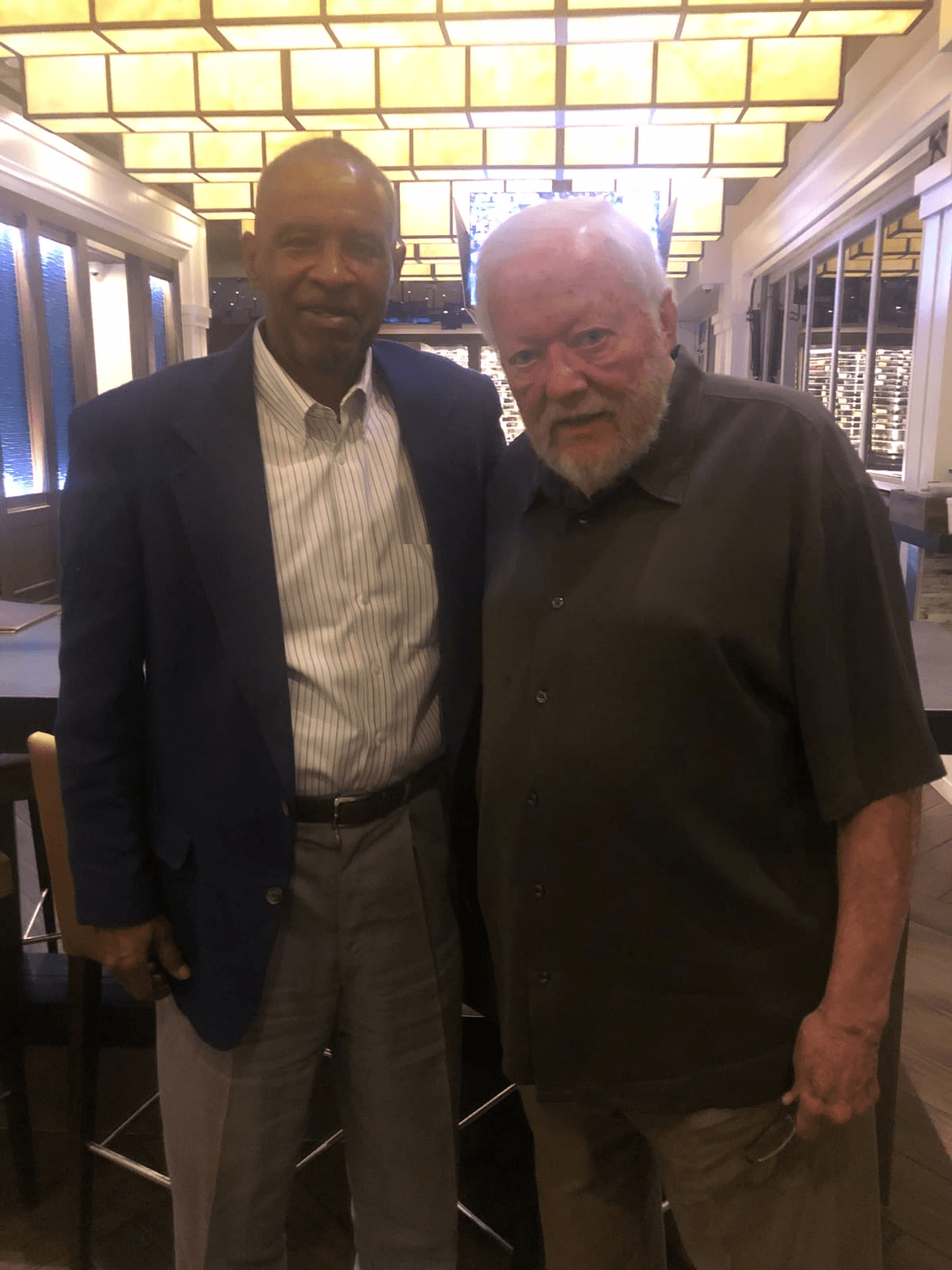
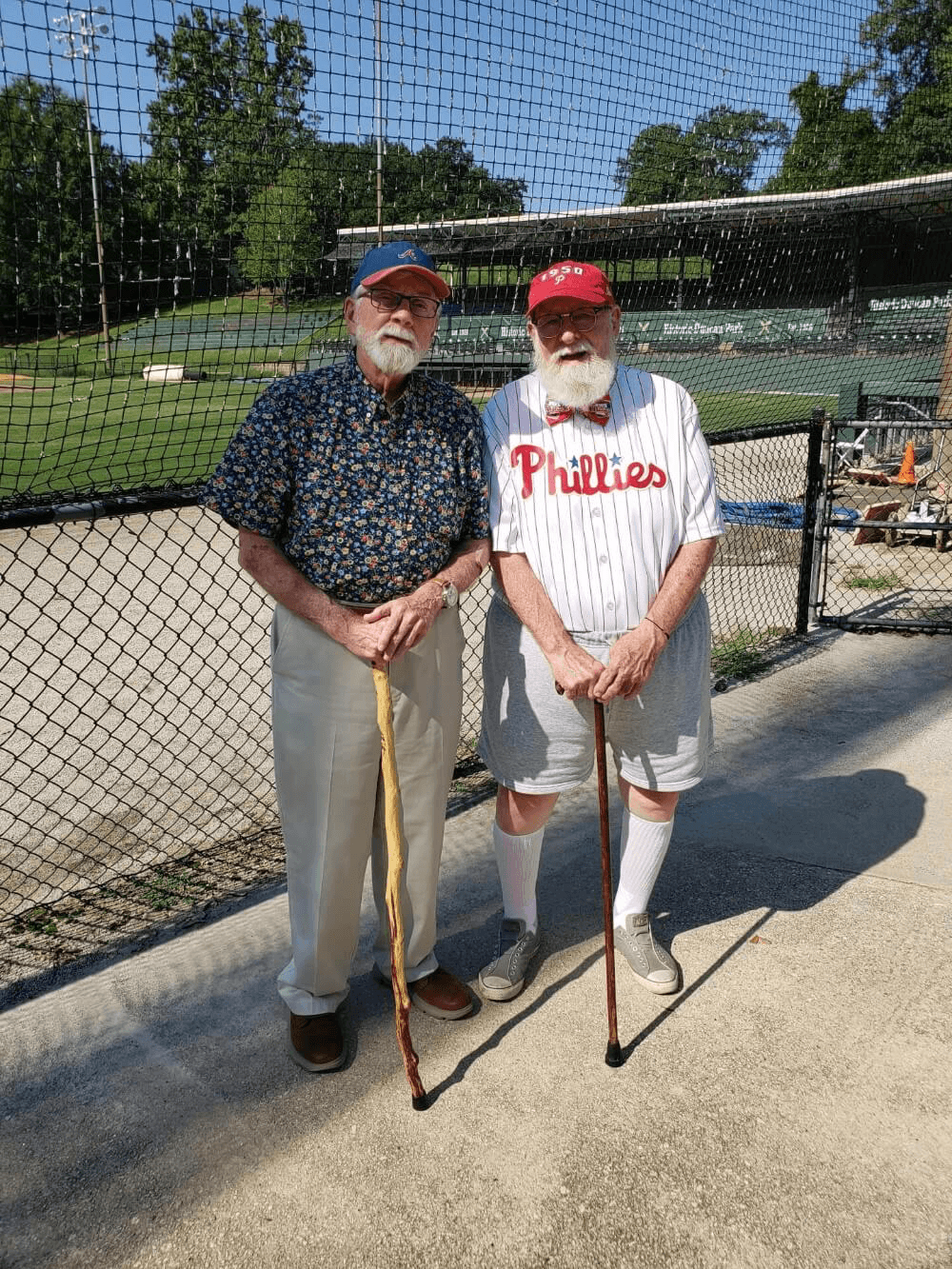
To say that Layton Revel enlightened us during his consulting visit to our city near the end of September would be a gross understatement. There are only a couple of individuals in the country more knowledgeable about the heritage embodied in old baseball stadiums, more experienced in preserving them, and more enthusiastic about doing the work than our new friend from Dallas. The good doctor definitely made an impression on the Friends of Duncan Park…so what do we do next?
Dr. Revel, Like Elvis, Has Left the Building: Now What?
To say that Layton Revel enlightened us during his consulting visit to our city near the end of September would be a gross understatement. There are only a couple of individuals in the country more knowledgeable about the heritage embodied in old baseball stadiums, more experienced in preserving them, and more enthusiastic about doing the work than our new friend from Dallas. The good doctor definitely made an impression on the Friends of Duncan Park…so what do we do next?
So what do we do next?
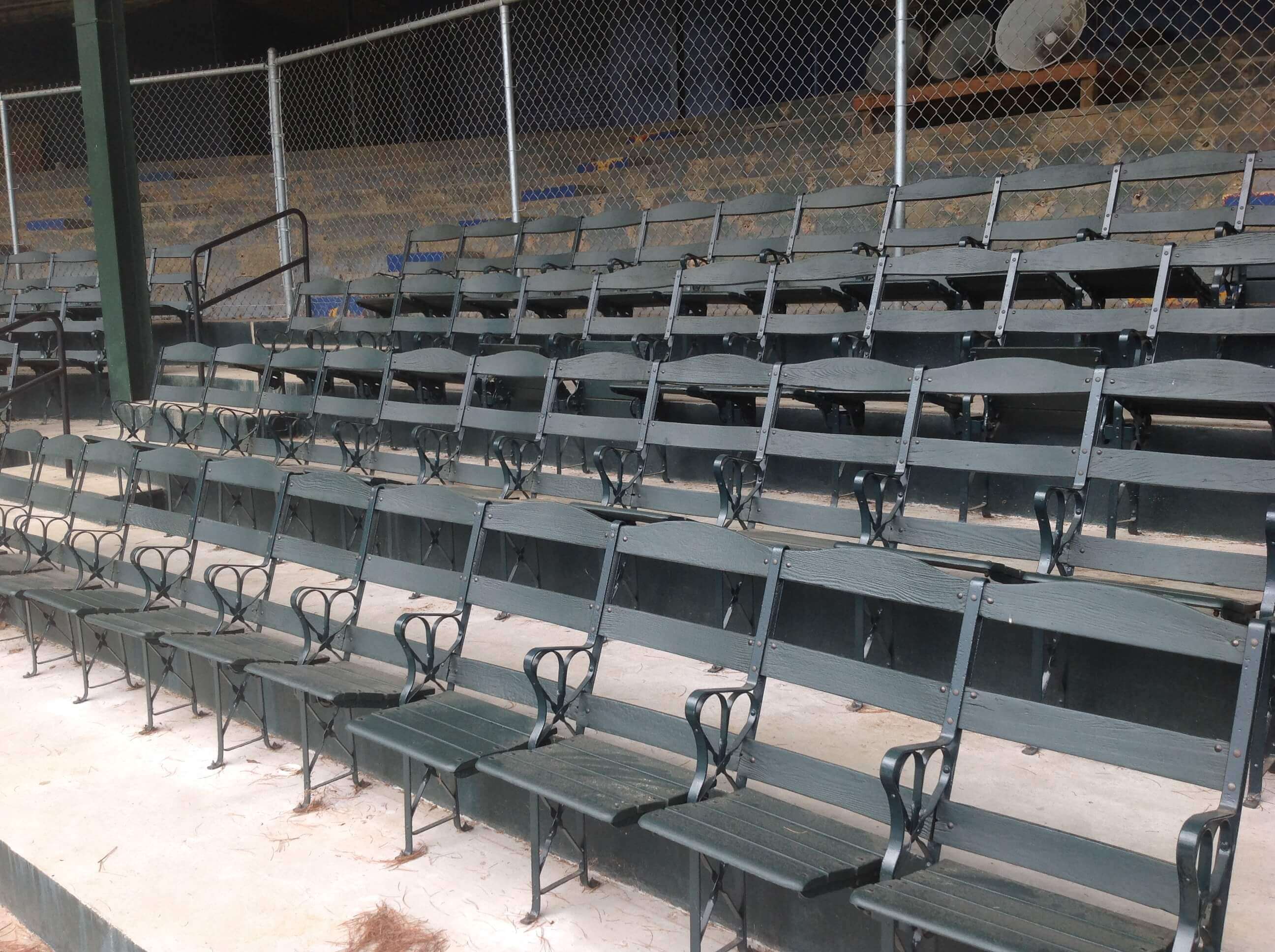
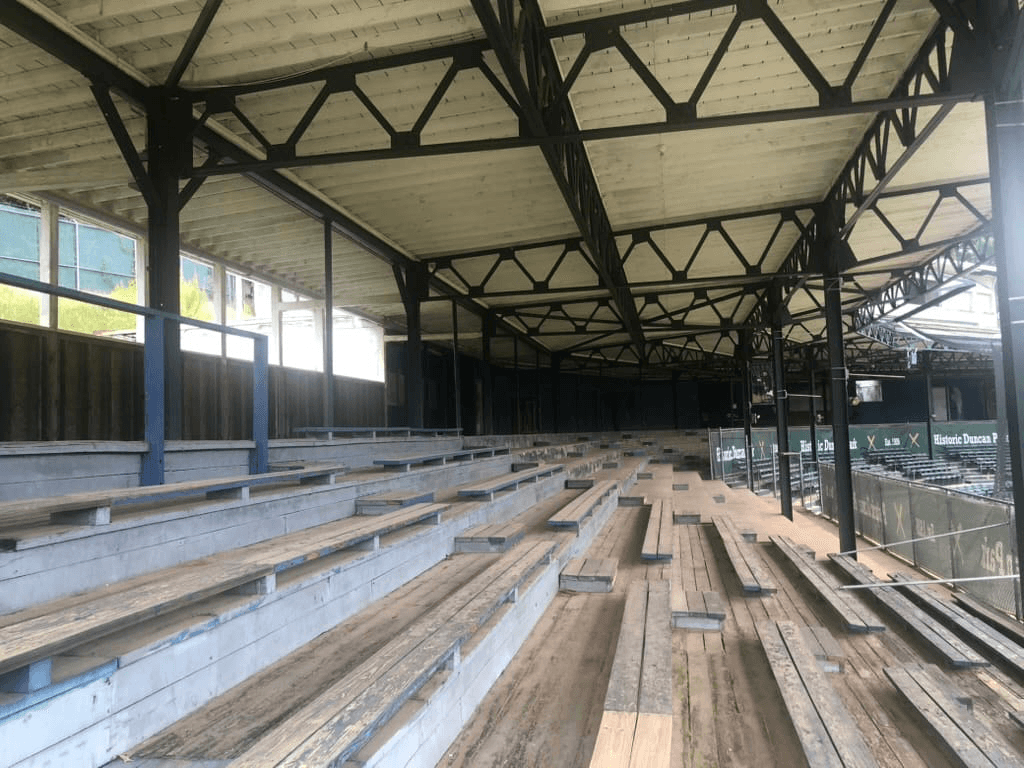
The first steps are to give the stadium a relatively inexpensive but necessary “facelift.” This would involve cleaning up the grandstand, which itself is in good shape structurally, scraping and sanding the wooden and concrete seating areas, repainting these areas with a fresh coat of paint, and restoring and painting the concourse wall (a feature lacking in most old stadiums and a prime location for future displays and historical signage).
Much of this work could be done with “sweat equity” donated by local groups and volunteers. There would be some expense involved, mostly for the paint and necessary equipment, but even some of this might be donated. To accomplish these tasks, however, would eliminate the current “eyesore” appearance of much of the stadium, a feature immediately noticeable to visitors, including players and their families, historians, stadium “collectors” who tour the country looking for historic ballparks and their histories, attendees at special events held at or in the stadium, and—importantly—evaluators and potential donors of the grants necessary for some of the major projects on the long term wish list of the Friends.
Decluttering, housekeeping, cleaning up, and giving the facility a new coat of paint—what realtors call improving its “curb appeal”—would be the initial effort in the overall improvement and restoration of our ballpark to make an attractive first impression upon those who happen by and stumble upon the stadium as well as those who travel to it deliberately for serious purposes.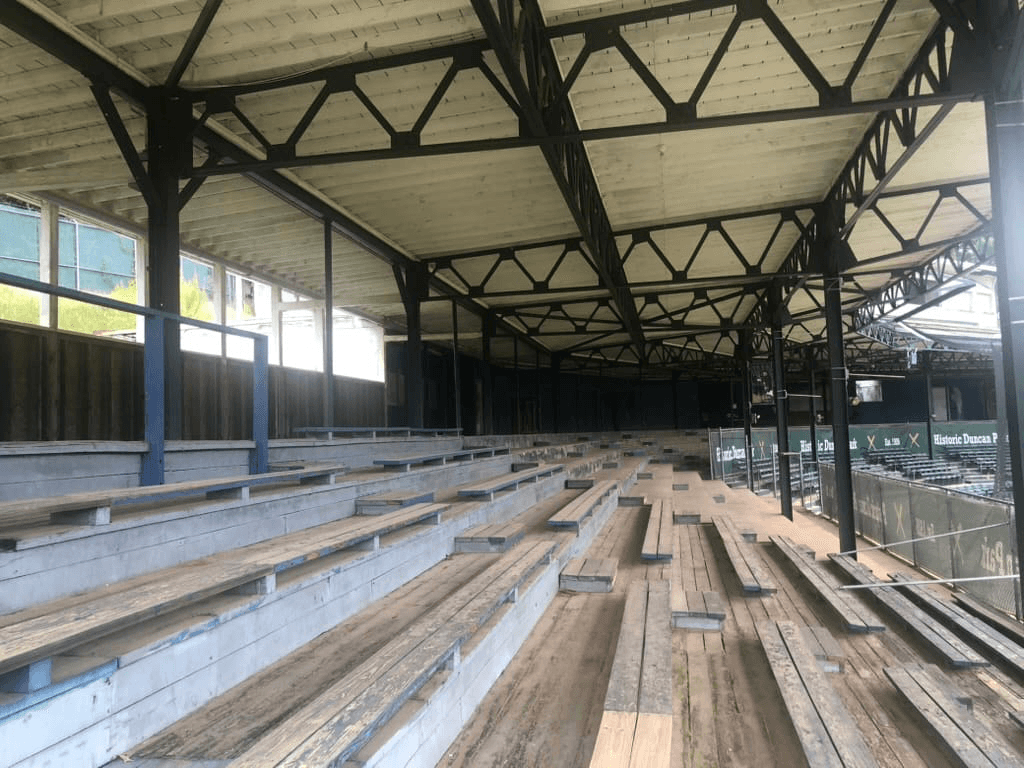
Related next steps might include restoration and repainting of the “colored” ticket booth on the drop-off location at the top of the old steps beside Park Drive; repairing as necessary and repainting the concessions area behind the third base line fence; deciding upon specific uses for the small building inside the lower entrance gate and doing the work necessary for this; and performing any necessary repairs to the lighting, electrical work, and other “cosmetic” features of the stadium and grounds around it.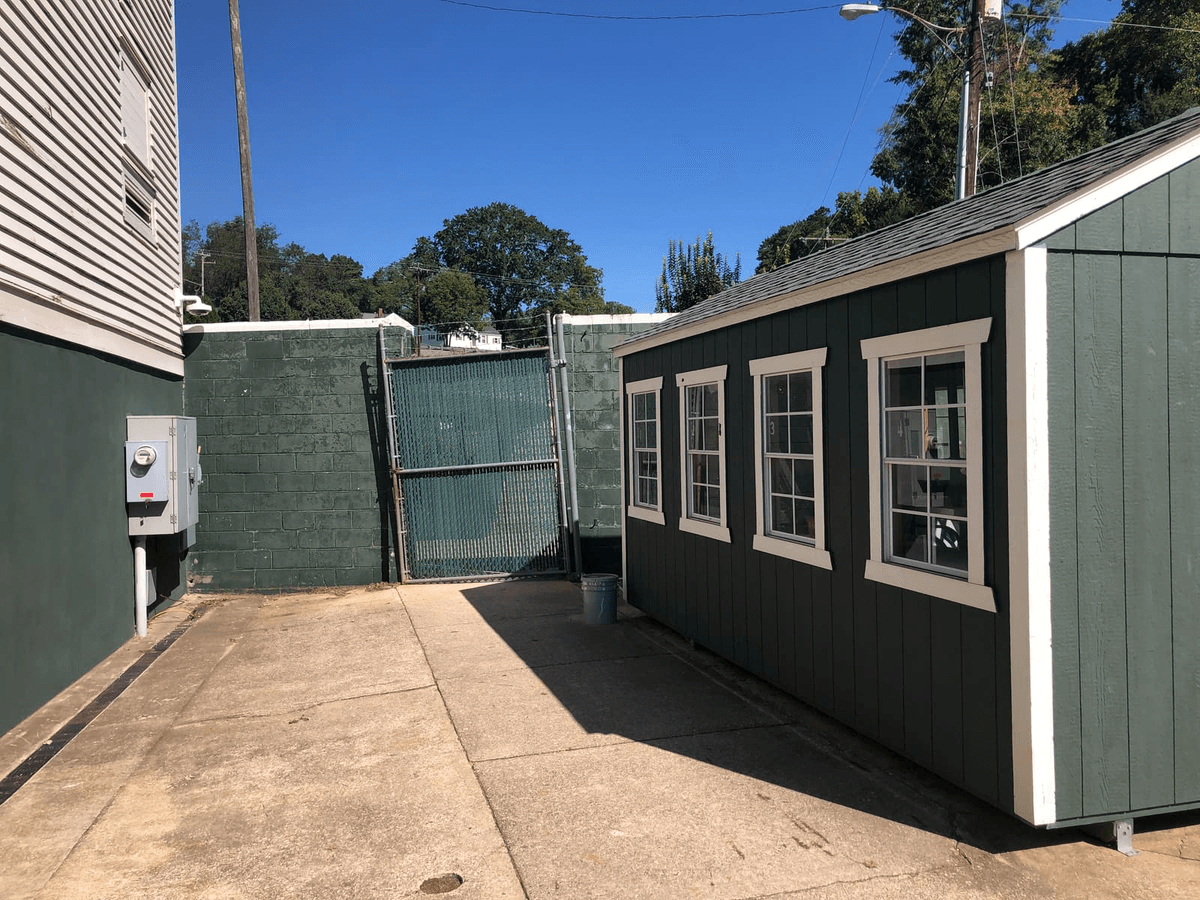
As recent visitors to Duncan Park know, new restroom facilities are another essential need at the stadium, but these should soon appear since Spartanburg County School District Seven has already had the construction done, and all that remains before the transportation of the complex to Spartanburg is approval of the necessary forms and certificates. The appearance of new bathrooms is one more argument in favor of the completion of other improvements at the stadium.
A couple of other projects are relatively easy fixes. One is the solving of the gully washing in the parking lot hillside. This has been a recurring problem, and although it has not been urgent or threatening so far, the longer this issue is allowed to just sit and worsen, the more likely it is to become a serious and perhaps even dangerous matter in the future. Whether the solution is to underlay gravel or something else beneath the mulch, to terrace the hillside and direct the runoff to drain pipes, or another remedy, the cost should not be prohibitive.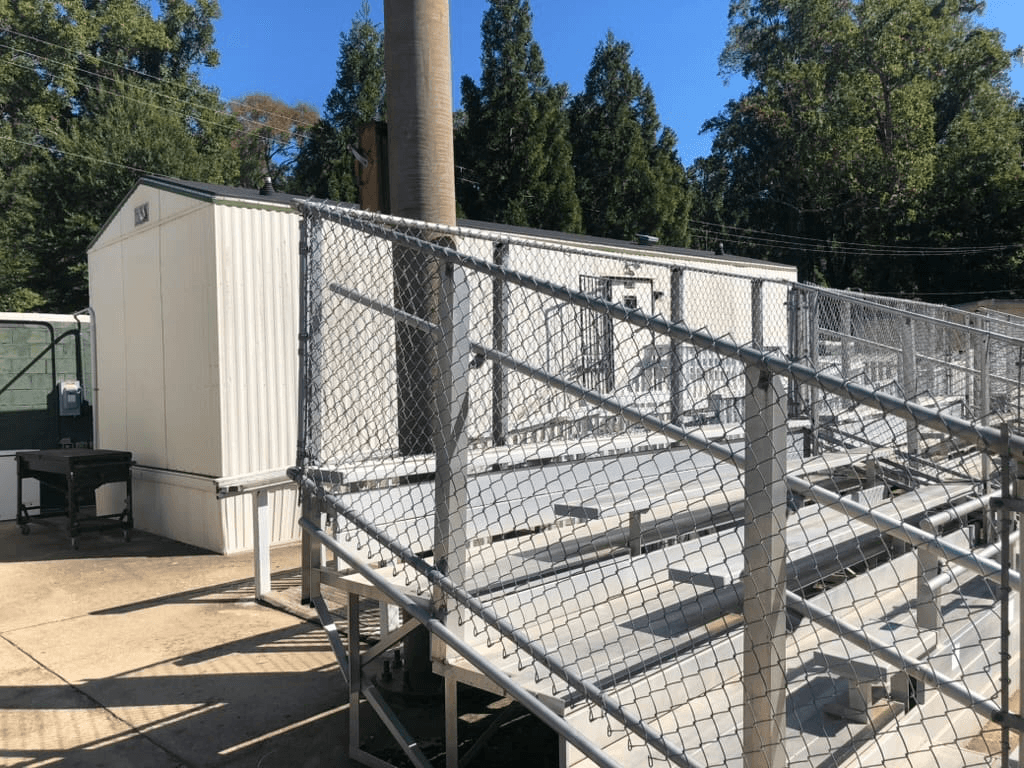
The outfield wall is another unattractive distraction that needs to be addressed. In the past of course this wall was covered with painted advertising for local corporate sponsors or donors, and today the attendance to what remains of actual games at Duncan Park is too slim to justify the cost of large painted or plastic banner or billboard advertising. However it is possible that current businesses that once advertised at the old stadium might be willing to pay for new signage in a vintage style, and newer businesses that did not exist at the height of the stadium’s success with the Phillies or the Peaches might contribute to preservation of some of the park’s heritage—particularly if new uses for the stadium attract new and larger audiences of fans and attendees to innovative and creative new events beyond just sports. Vintage-style advertising might also reinforce the attraction of historical displays and/or museum space within the grandstand.
There is also a need for additional commemorative plaques and memorial exhibitions highlighting both the legacy and the historical importance of Duncan Park Stadium. For example, when the Dallara Foundation, the City, and other benefactors financed the reconditioning and renovation of the two youth ballfields beyond the right field wall, a significant component of this project was the installation of not one but two bronze plaques memorializing the Negro League Spartanburg Sluggers, who played at Duncan Park for some fifty years and whose owner was a prominent figure in the Black business community. Additional plaques might honor the American Legion Post 28 teams and collegiate and high school teams—from USC Upstate and Wofford College and Spartanburg High School—that played at Duncan Park, or even non-sports events like Charles Lindbergh’s appearance at Duncan Park in 1927 not long after his pioneering transatlantic flight or the 1960s Woodstock-style rock festival that featured the Toy Factory (precursor to the Marshall Tucker Band) and other local performers.Other projects on the Friends of Duncan Park’s wish list of proposals to benefit the stadium are more ambitious and therefore more expensive; they would also require more planning. Chief among these would be restrooms built into the structure of the grandstand itself, a prerequisite for full compliance with the Americans with Disabilities Act that would enable utilization of all of the seating underneath the roof and therefore qualify the facility to host a larger variety and number of events.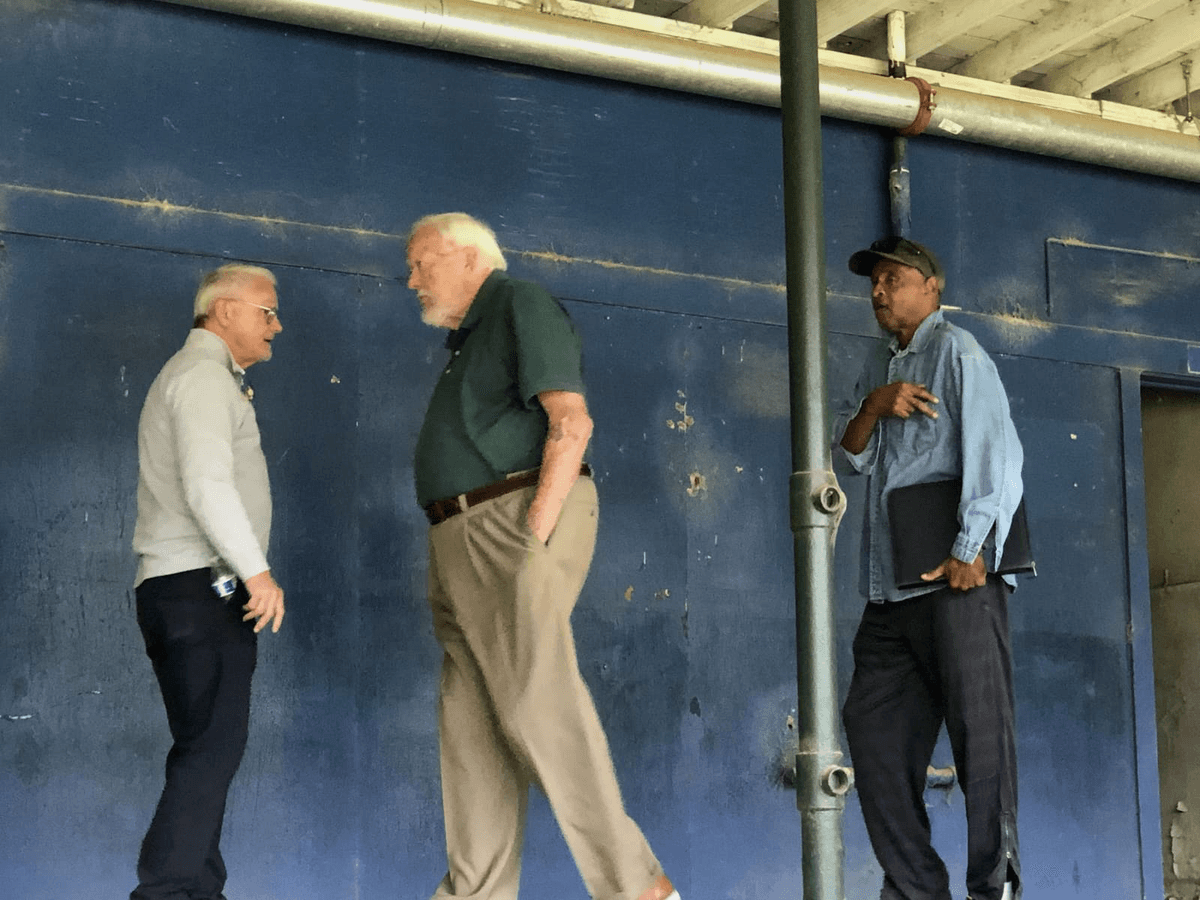
It would be convenient too for there to be small meeting rooms and/or office space for a part- or full-time stadium manager, perhaps behind the concourse wall. There are existing areas that could be used or redesigned for use in these ways, and it would be easy enough to add electricity to them if needed. If it proved to be impossible to hire a salaried manager funded by grants or a line item in the City budget, it might be possible for one or more volunteers to perform the duties of such an officer.
While dreaming of the best of all possible worlds for our stadium, it might even eventually be possible to install a new concessions area and kitchen along the rear concourse. There was originally such a space in the stadium, but it burned around thirty years ago, and there are currently no kitchen appliances, equipment, sinks, utensils, or anything else required for such an area. The original kitchen space and restrooms are now walled off and inaccessible.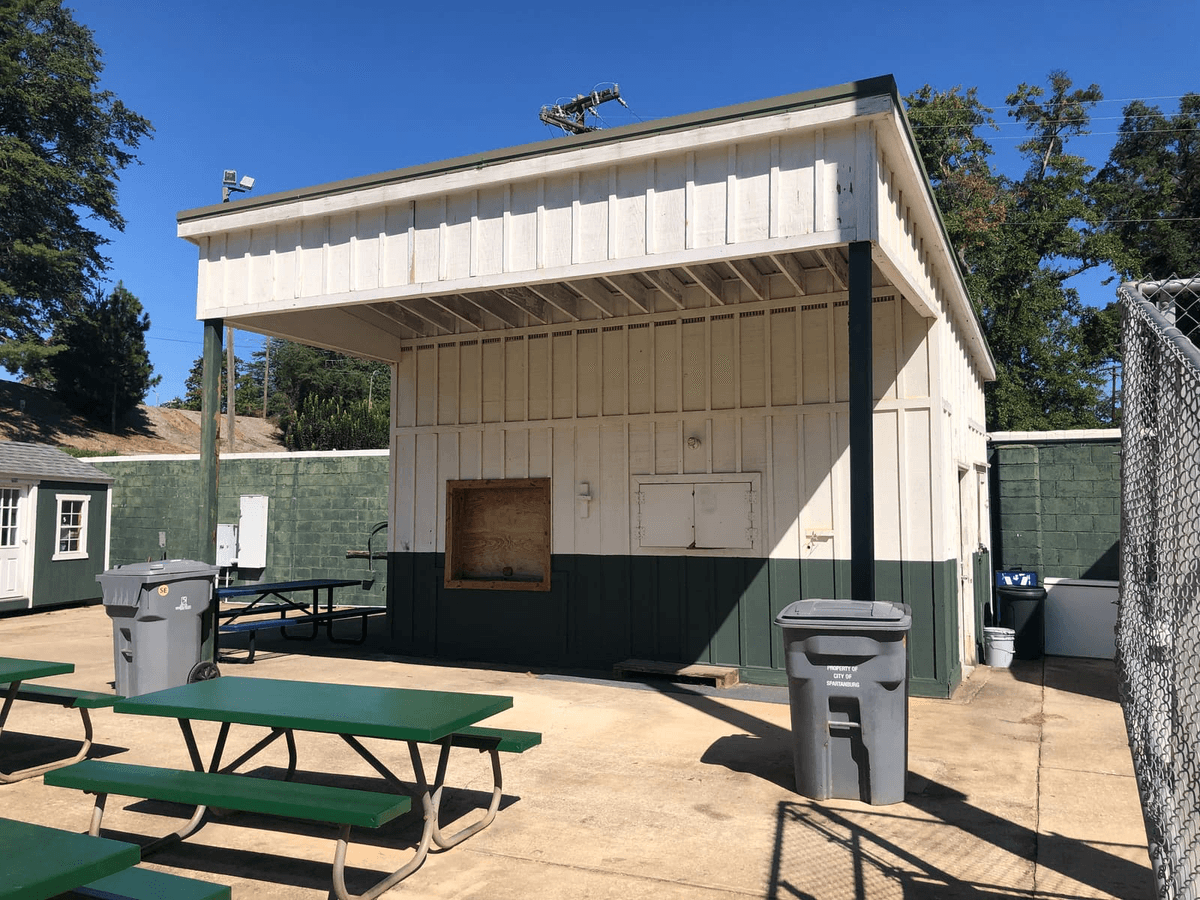
Two final observations need to be made here: 1.) The previous commentary is not “official” and has not been proposed or accepted by anyone as a formal plan going forward. All of the items and suggestions and ideas have been included though in more than a single discussion over the last couple of years, and various members of the Friends and the Friends’ member groups subscribe to one or more of them. All are obviously dependent upon support by most of the Friends and, especially, upon funding from many different sources. All plans and funding proposals will be decided in future meetings, and the implementation of them all is dependent upon the realization of funding and approval by the City and School District Seven.
2.) The success of all of what has been outlined here clearly depends upon public and private input, participation, funding, and—in the future as necessary—staffing. If you have ideas about any of this and/or how to fund it, the Friends and its constituent stakeholders welcome your input. Please feel free to attend future meetings of the Friends at the C. C. Woodson Community Center on the fourth Thursday of each month (except during the holidays) at 5:30 and/or contact myself via the link included in this post or at eepps7@icloud.com; or contact John Faris via the Friends website (https://duncanparksc.org/) or Instagram (https://www.instagram.com/duncanparksc/) or email (duncanparksc@gmail.com).You may donate to the cause via this QR code!

Dr. Edwin C. Epps
Author
Dr. Edwin C. Epps is a retired educator with more than forty years' experience in public school classrooms... He is the author of Literary South Carolina (Hub City Press, 2004) and a proud member of Phi Beta Kappa who believes in the value of the humanities in a rapidly changing world.